Go Goa Gone
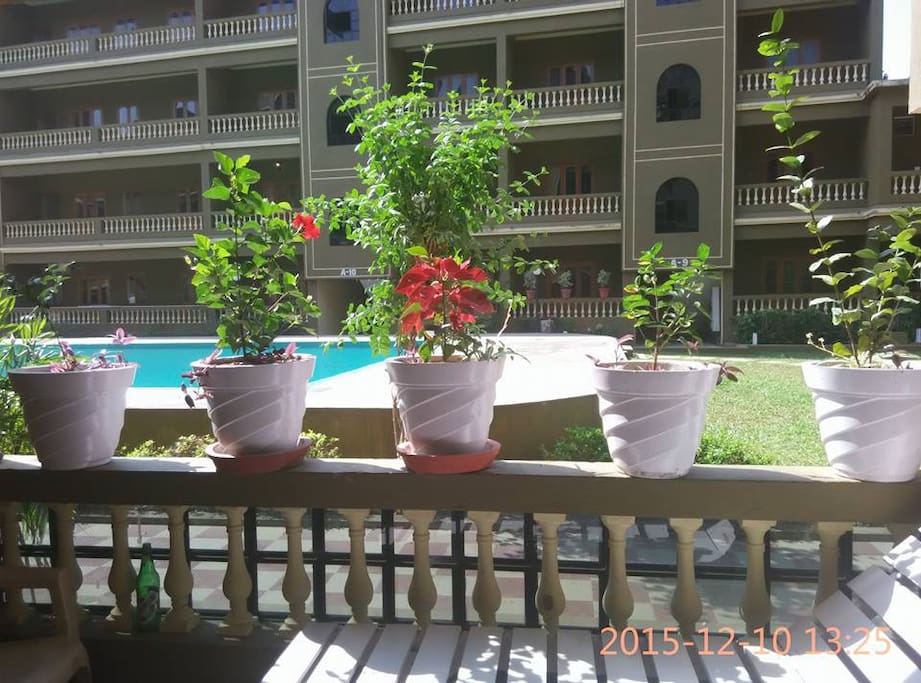
Poolside 1 BHK Apartment in Resort
Siolim, Goa, India
Serene Siolim- Gateway to the pristine beaches of North Goa at Tropical Dreams Resort with Lush green surroundings Ground Floor across the biggest swimming pool in Goa is furnished with SplitAC Ref...Vacation Rentals in Siolim
Tuesday, July 9, 2013
Kiran's Thoughts.. As Is: Jammu and Kashmir: Injustices and Myths
Kiran's Thoughts.. As Is: Jammu and Kashmir: Injustices and Myths: The first image that comes to most minds when they hear the 'K' word for Kashmir, is the lack of peace. Depending upon which side of...

Monday, January 14, 2013
Nehru, Abdullah betrayed Maharaja Hari Singh By Sandhya Jain
Nehru, Abdullah betrayed Maharaja Hari Singh
By Sandhya Jain on January 13, 2013
Tags: Jammu and Kashmir, Jawaharlal Nehru, indian history, louis mountbatten
The duplicitous games played with the only monarch who embraced Indian nationalism long before freedom could be seen on the horizon, whose accession retained India’s civilisational and geographical link with the land of sage Kashyap, is best gauged from his anguished letter to President Rajendra Prasad on 16-17 August 1952, three days before the monarch was abruptly abolished.
The 9000-odd word missive details the treachery of the Delhi durbar, choreographed by Jawaharlal Nehru and Sheikh Abdullah; Louis Mountbatten had moved on after initiating the State’s ruination. That such an important historical document is untraceable in the collected works of Indian statesmen is a telling commentary on how State-funded historians have fiddled with the history and memory of the Indian people. The integrity of such collections can be restored only by making every letter public, so that the nation can assess the heroes, villains and knaves for itself.
Writing from exile in Poona, Hari Singh informed the President that since his accession to the throne in 1925, the British had strengthened their hold on the State due to its great strategic importance. Hari Singh incurred their wrath as he tried to curtail their domination.
They instigated a religious rebellion in 1931 with slogans like ‘Down with Hindu Raj’ and ‘Islam in danger’; its key leaders like Chaudhary Ghulam Abbas and Maulvi Yusuf Shah received official posts in ‘Azad’ Kashmir. Within the kingdom, the leaders gained Congress cooperation by calling themselves ‘National Conference’. In 1947, Mountbatten hinted that the Maharaja join Pakistan, while the Government of India’s attitude was desultory.
In September 1947, Hari Singh was asked to appoint Mehr Chand Mahajan as Prime Minister; the latter was briefed by Sardar Patel and promised full cooperation. But on October 21, 1947, Patel wrote to MC Mahajan saying that Sheikh Abdullah (released from prison) was anxious to help the State deal with the troubles and wanted his hands strengthened. Nehru penned a similar letter to Mahajan, urging formation of a provincial government headed by Abdullah, the “most popular person in Kashmir”. Nehru urged withholding accession to India till such Interim Government was installed in the State. (Accession finally happened on October 26-27 in well-known circumstances).
Nehru again pressed Hari Singh for Abdullah’s elevation on November 13, 1947. On December 9, 1947, Minister without Portfolio, N Gopalaswami Ayyangar, urged immediate changes in the State’s constitutional and administrative set up, and sent a draft Proclamation approved by Abdullah, for Hari Singh to issue. Gopalaswami insisted on the matter on March 1, 1948, claiming Sheikh was vital to India’s case in the Security Council. Nudged by Nehru, Abdullah made some polite noises and on March 5, 1948, the Maharaja issued the Proclamation referred to in Article 370 of the Indian Constitution.
Between March 1948 and April 1949 when he was forced to quit the State, Hari Singh complained that Sheikh Abdullah and his party assumed total control, ignoring the king and directly securing the consent of the Government of India for whatever they wished. Sheikh objected when the Maharaja and his wife began touring the State to interact with the people and got Delhi to make the Maharaja quit the State ‘for a few months’.
The Yuvraj was appointed Regent, but reduced to a figurehead. The Proclamation of March 1948 stipulated appointment of a Dewan and reserved subjects, yet Abdullah subverted this repeatedly with Nehru’s backing. Hari Singh’s record of this constitutional sabotage makes painful reading even today as the nation reels in shock at the brutal mutilation of its brave jawans defending its difficult borders.
After the king’s eviction, Sheikh Abdullah aspired for absolute control. In a frontal attack on the Maharaja, he began interfering with his private properties, including administration of the Dharmarth Trust created by the dynasty of which Hari Singh was sole Trustee. Charities and institutions maintained from Trust revenues were starved of funds, costs of Puja in temples and Devasthans denied, and the Jammu branch of the Imperial Bank of India ordered to deny the Trustee the amounts of the fixed deposits of the Trust and to transfer the deposits to its Bombay Office! This single episode is the best instance of how Nehruvian secularism would unravel in independent India. Even now, there should be an inquiry into whose orders made the bank act in this manner.
By far the worst was Sheikh Abdullah’s slander – repeated by Nehru in an exceedingly rude letter to the Maharaja – that Hari Singh ran away to Jammu when the invasion began, when the truth is that he left on October 25 at the urging of VP Menon and in the larger interests of the State as the raiders were already at Baramulla. It was Sheikh Abdullah who fled from Srinagar for Delhi (and Nehru’s home) and did not return till Indian troops started landing in Srinagar.
In November 1950, Vishnu Sahay urged the Maharaja to set up a Constituent Assembly for the State, as foreshadowed in the March 1948 Proclamation, and now demanded by the National Conference. A draft Proclamation was sent for the Maharaja’s comments.
Hari Singh objected to this manner of setting up the Constituent Assembly as he was the properly constituted authority in law to promulgate the Proclamation, and not the Regent (Yuvraj). He felt the powers and functions of the Constituent Assembly should be express, well-defined and accurately worded and exclude from its purview matters not expressly entrusted to it. It should report to the authority that constitutes it, i.e. the ruler who shall seek the advice of the Parliament of India in the matter. But ultimately, the Maharaja was forced to permit the Yuvraj to set up the Constituent Assembly.
Warning the President of the dangers ahead, the Maharaja said the Indian Government had failed to appreciate the legal position; Nehru was taking it for granted that the relevant Articles, particularly Article 370, of the Indian Constitution can be altered and/or amended to suit Sheikh Abdullah. But Article 370 refers specifically to the Maharaja’s Proclamation of March 5, 1948. That is the law which governs the State of Jammu and Kashmir until a new Constitution is framed, approved and adopted not only by the Constituent Assembly of the State but also approved by the King and then by the President of India. But Nehru asked the Yuvraj (who is acting only as Regent) to become the elected Head of State with immediate effort, even before the State Constitution was framed, let alone approved and adopted. He thus deposed the king and the dynasty.
How, the aggrieved king asked the President, could the Government of India take all these steps over the head of the person on whose authority they entered the State and are continuing there and who was the Chief Author of the Proclamation on which is based the future construction of political set up in the country? Despite acting in good faith on the advice of the Indian Government, Mountbatten, Nehru, Patel and Gopalaswami, and despite Abdullah’s promises and assurances, he was eliminated by a process which was neither fair nor honourable. “Only history and posterity will be able to do justice to our respective points of view,” Hari Singh concluded. Perhaps the time for this has arrived.
Friday, May 25, 2012
M Yusuf Buch, a Pakistani expert involved in the Kashmir dispute right from the start has dubbed his country's stand as "unsound" stressing that these resolutions have "no importance at all."
M Yusuf Buch, a Pakistani expert involved in the Kashmir dispute right from the start has dubbed his country's stand as "unsound" stressing that these resolutions have "no importance at all."
3 June 2000
http://www.angelfire.com/in/jalnews/03061.html
From Jal Khambata
NEW DELHI: In a stunning blow to Pakistan always relying on the two UN Security Council resolutions on plebiscite in Kashmir as the bedrock of its case, a Pakistani expert involved in the Kashmir dispute right from the start has dubbed his country's stand as "unsound" stressing that these resolutions have "no importance at all."
The expert is 74-year old M Yusuf Buch, whose opinion gains an immediate relevance in the context of Pakistan angrily reacting to External Affairs Minister Jaswant Singh's assertion in a CNN interview on May 31 that the UN resolutions required Pakistan to withdraw all its troops from Jammu and Kashmir for other "necessary actions" to follow.
The News, an independent English daily of Pakistan, says: "For those who may not know or may have forgotten, there is no greater authority on Kashmir than M Yusuf Buch who has been involved in it from the very start. Since 1953, barring the five years that he was in Pakistan as Zulfiqar Ali Bhotto's special assistant, he has been at the UN. Every major speech made on Kashmir from the '50s through the '70s (from Pakistan side) has had an input by Buch, if not entirely his work. His knowledge of Kashmir at the UN is encyclopaedic and his insights original. It is, therefore, important to know what his thoughts on Kashmir today are. Buch is just 24 years older than the Kashmir dispute."
Buch was asked where do the Security Council resolutions on Kashmir stand today? His reply:
"The UN Security Council resolutions have no importance at all. To date, the counsil has accepted 1,100 resolutions, out of which only two are important, both passed under Chapter 7, while Kashmir and the rest of the 1,100 were passed under Chapter 6 which does not oblige the council to take action."
When reminded that Pakistan's entire stand consists of the Security Council resolutions being implemented, Buch remarked: "This demand is unsound. When we make this demand, we are told that the Security Council has passed 1,100 resolutions. What is so special about those involving Kashmir. ...As for the resolutions, they are no more than non-binding recommendations."
Buch was referring to the two Security Council resolutions passed under Chapter 7 of the UN charter, resulting in the UN's intervention in case of the liberation of the island of East Timor from Indonesia and in another dispute between Yugoslavia and Italy settled in favour of Italy through a referendum.
He went on to explain: "The real thing is not these (Kashmir) resolutions but the international agreement which formed the basis of these resolutions. Not all Security Council resolutions were passed with the consent of the contending parties. The resolutions on Kashmir were passed with the consent of India and Pakistan and thus they are in the nature of an international agreement."
Pakistan's Foreign Office has dug out a report submitted to the UN Security Council by Sir Owen Dixon, the UN representative for India and Pakistan on September 15, 1950 to assert that it were India and not Pakistan that had derailed the UN resolutions for solution to the Kashmir dispute.
The Dixon report had concluded: "In the end, I became convinced that India's agreement would never be obtained to demilitarization in any form or to provisions governing the period of plebiscite of any such character as would, in my opinion, permit the plebiscite being conducted in conditions sufficiently guarding against intimidation and other forms of influence and abuse by which the freedom and fairness of the plebiscite might be imperilled."
While Pakistan's Foreign Office asserts that the Security Council resolution adopted on December 23, 1952 did not call for complete demilitarisation as it provided for "between 3,000-6,000 armed forces remaining on the Pakistani side and 12,000-18,000 remaining on the Indian side of the ceasefire line," Buch points out that the plebiscite was derailed by Pakistan itself by objecting to India being allowed to station more troops than Pakistan and did not agree to the suggestion of Graham, who was to conduct the exercise as the UN administrator, that this question could be taken up after all arrangements for a plebiscite were in place."
Moreover, Pakistan lost its case for plebiscite soon thereafter by joining the US security pacts and then Prime Minister Jawaharlal Nehru was quick in asserting that these alignments had changed the situation. Buch says: "Nehru found a lot of world support for this stand, in the same way as Nawaz Sharif found it for his agreement with Vajpayee. Pakistan's Prime Minister Muhammad Ali Bogra called Nehru his elder brother and Nehru took advantage of this and Kashmir was consigned to the cold storage."
Buch also points out how Pakistan blundered again in 1965. "If we had taken advantage of the Chinese ultimatum and continued the war for some time, perhaps in six months a plebiscite in Kashmir could have taken place."
His particular stress on treating the two toothless UN Security Council resolutions of 1949 and 1952 as "international agreements" shows how they got superseded once India and Pakistan signed fresh agreements. He is particularly critical of the Tashkent accord which he is convinced should not have been signed because while the 1965 war was in progress, France initiated a move in the Security Council that after cessation of hostilities, an effort should get underway to settle all disputes between India and Pakistan. "Tashkent overtook that initiative which remained stillborn," says Buch.
Going by his argument, the latest agreement that superseded all previous agreements is the Simla agreement signed between Zulfiqar Ali Bhutto and Indira Gandhi and if Pakistan wants to modify its position, it should enter into negotiations with India, the other party. So far, both India and Pakistan vow to abide by the Simla agreement which prohibits any third party intervention and as such Pakistan has been only breaching this agreement by words and deeds by repeatedly harping on the UN resolutions which are now deadwood and calling for the third party intervention to resolve the Kashmir dispute.
Buch also blames Pakistan for sabotaging the "freedom movement" of Kashmiris. He blames Ziaul Haq for having placed the Jamaat Islami at the head of the Kashmir resistance movement, whereas it was the Jammu and Kashmir Liberation Front which had really fought for freedom. Buch's regret is that "the Jamaat liquidated leading JKLF figures, men who were legends in Kashmir."
While India has allowed the ban on JKLF to lapse early this year, the JKLF's supreme commander Amanulla Khan was lying under detention in a Pakistan prison since last year after he advocated an end to militancy by transfer of both Jammu and Kashmir and the Pakistan-occupied Kashmir to the UN trusteeship for 15 years and India and Pakistan jointly taking care of the region with regards to defence, currency and external affairs for these many years before conducting a plebiscite to decide the fate of Kashmiris.
Amanullah Khan, who is out of the Pakistan jail after long detention, continues to criticise Pakistan for sabotaging what he describes as Kashmiris' "liberation movement." He was quoted by The News stating that "Pakistan-based militant organisations are a big threat to the identity of Kashmir and have damaged the ongoing liberation movement." Regretting that the presence of foreign militants in Kashmir has projected the Kashmir movement as a terrorist movement, he said only Kashmiris can resolve the present crisis in the valley.
In a related article in another Pakistani daily, Nation, Brig. (retd) A R Siddiqui has quoted from an out-of-print book "Danger in Kashmir" written by Josef Korbel, the then Chairman of the UN Commission for India and Pakistan (UNCIP). Korbel, an ethnic Czech who had immigrated to the United States in the late '50s, is father of the US Secretary of State Madeleine Albright. The book shows how Korbel got frustrated in his efforts to the extent that he had even ruled out the possibility of the plebiscite ever. In his book, Korbel writes: "...the Commission reluctantly not only abandoned the prospect of any immediate ceasefire arrangement, but alas and even more discouraging, began to doubt the possibility of ever being able to arrange an impartial plebiscite." END
http://www.angelfire.com/in/jalnews/03061.html
Thursday, May 24, 2012
National Panthers Party reject the report of the Union Home Minister released today in the name of Interlocutors.
National Panthers Party
New Delhi, 24th May, 2012
Press Release
Prof. Bhim Singh, Chairman-NPP and Member-NIC described the report of three-Musketeers (the so-called Interlocutors) as another fraud by the Home Minister of India with the nationalist, secular and oppressed people in J&K. This report has been made public to divert the attention of the people and the press from the rising anger of the people against the Price Hike of Petrol.
Three-Musketeers were sent to Kashmir in a conspiracy to sterilize the ground situation in Kashmir to save Omar Abdullah from the wrath of school going stone pelters who were fed up with his computers fiddling. It is shocking that over 50 crores of rupees were wasted for the pleasures of three-musketeers only to develop eyewash blinding powder which they failed to do.
NPP Chief said that the report submitted by the Interlocutors has insulted and disgraced the souls of Sheikh Mohd. Abdullah, Afzal Beg and another who signed the final documents with the Govt. of Ms. Indira Gandhi which dumped the autonomy demand into the graveyard and Sheikh Abdullah gladly reconciled to be the Chief Minister. That was the end of the so-called autonomy jargon. The Interlocutors attempt to please Chidambaram and Abdullahs in demanding to constitute a special Constituent Committee to consider all the post 1953 laws promulgated in J&K is a challenge to the integrity of J&K as part of the Union.
The so-called report is loaded with anti-Jammu and anti-Ladakh bias and full of discrimination against the people of Jammu Pradesh and Ladakh. In other words the report is anti-Jammu Pradesh, anti-Ladakh, anti-Pakistani refugees, anti-POK refugees, anti-refugees of 1965 from Chhamb and that of 1971. It is anti-Jammu migrants from Poonch, Rajouri, Doda, Reasi, Kathua who have been languishing in the stinking and starving camps in spite of the judgments of the Supreme Court to provide them adequate relief. NPP Chief said the report is coloured in communal bias prompted by NC as it willfully chose word, ‘pluralism’ instead of ‘secularism’. This is for the knowledge of the national leaders that word’ ‘secularism’ has been omitted deliberately in the J&K Constitution.
The NPP Chief described the recommendation of three-musketeers to set-up regional councils in Ladakh, Kashmir and Jammu Pradesh as another gimmick with the people. NPP Chief regretted that the Interlocutors had completely ignored the most popular and acceptable demand for Reorganisation of J&K.
The Interlocutors had deliberately avoided the word, ‘occupation’ vis-a-is POK and described occupied J&K as Pak-administered areas. This was done to please the ISI, the Union Home Minister and Abdullahs.
In a video conference with the NPP legislators, M/s. Harsh Dev Singh, Balwant Singh Mankotia, Yashpaul Kundal and Syed Mohd. Rafiq Shah and other members of the secretariat Prof. Bhim Singh, the Chairman appreciated unanimous stand taken by JKNPP to reject the report of the Union Home Minister released today in the name of Interlocutors.
Sudesh Dogra, Political Secretary
Monday, April 16, 2012
What ails Kashmir? The Sunni idea of ‘azadi’
What ails Kashmir? The Sunni idea of ‘azadi’
The discomfort Kashmiris feel is about which laws self-rule must be under, and Hurriyat rejects a secular constitution
We know what Hurriyat Conference wants: azadi, freedom. But freedom from what? Freedom from Indian rule. Doesn’t an elected Kashmiri, Omar Abdullah, rule from Srinagar?
Yes, but Hurriyat rejects elections. Why? Because ballots have no azadi option.But why can’t the azadi demand be made by democratically elected leaders? Because elections are rigged through the Indian Army. Why is the Indian Army out in Srinagar and not in Surat? Because Kashmiris want azadi.
Let’s try that again.
What do Kashmiris want freedom from? India’s Constitution.
What is offensive about India’s Constitution? It is not Islamic. This is the issue, let us be clear.
The violence in Srinagar isn’t for democratic self-rule because Kashmiris have that. The discomfort Kashmiris feel is about which laws self-rule must be under, and Hurriyat rejects a secular constitution.
Hurriyat deceives the world by using a universal word, azadi, to push a narrow, religious demand. Kashmiris have no confusion about what azadi means: It means Shariah. Friday holidays, amputating thieves’ hands, abolishing interest, prohibiting alcohol (and kite-flying), stoning adulterers, lynching apostates and all the rest of it that comprises the ideal Sunni state.
Also Read Aakar’s previous Lounge columns
Not one Shia gang terrorizes India; terrorism on the subcontinent is a Sunni monopoly.
There is a token Shia among the Hurriyat’s bearded warriors, but it is essentially a Sunni group pursuing Sunni Shariah. Its most important figure is Umar Farooq. He’s called mirwaiz, meaning head of preachers (waiz), but he inherited his title at 17 and actually is no Islamic scholar. He is English-educated, but his base is Srinagar’s sullen neighbourhood of Maisuma, at the front of the stone-pelting. His following is conservative and, since he has little scholarship, he is unable to bend his constituents to his view.
Hurriyat’s modernists are led by Sopore’s 80-year-old Ali Geelani of Jamaat-e-Islami. Jamaat was founded in 1941 by a brilliant man from Maharashtra called Maududi, who invented the structure of the modern Islamic state along the lines of a Communist one. Maududi opposed Jinnah’s tribal raid in Kashmir, which led to the Line of Control, saying jihad could only be prosecuted formally by a Muslim state, and not informally by militias. This wisdom was discarded later, and Hizb al-Mujahideen, starring Syed Salahuddin of cap and beard fame, is a Jamaat unit. Maududi was ecumenical, meaning that he unified the four Sunni groups of thought. He always excluded Shias, as heretics.
The Kashmiri separatist movement is actually inseparable from Sunni fundamentalism. Those on the Hurriyat’s fringes who say they are Gandhians, like Yasin Malik, are carried along by the others in the group so long as the immediate task of resisting India is in common. But the Hurriyat and its aims are ultimately poisonous, even for Muslims.
The Hurriyat Conference’s idea of freedom unfolds from a religious instinct, not a secular sentiment. This instinct is sectarian, and all the pro-azadi groups are Shia-killers. In promoting their hatred, the groups plead for the support of other Muslims by leaning on the name of the Prophet Muhammad.
Hafiz is a title and means memorizer of the Quran. Mohammed Saeed’s Lashkar Tayyaba means army of Tyeb (“the good”), one of the Prophet’s names. This is incorrectly spelled and pronounced by our journalists as “Taiba” or “Toiba”, but Muslims can place the name. Lashkar rejects all law from sources other than the recorded sayings and actions of Muhammad. This is called being Wahhabi, and Wahhabis detest the Shia.
Jaish Muhammad (Muhammad’s army) was founded in a Karachi mosque, and it is linked to the Shia-killing Sipah Sahaba (Army of Muhammad’s First Followers) in Pakistan’s Seraiki-speaking southern Punjab. The group follows a narrow, anti-Shia doctrine developed in Deoband.
Decades of non-interference by the Pakistani state in the business of Kashmiri separatism has led to a loss of internal sovereignty in Pakistan. The state is no longer able to convince its citizens that it should act against these groups. Though their own Shia are regularly butchered, a poll shows that a quarter of Pakistanis think Lashkar Tayyaba does good work. We think Indian Muslims are different from Pakistanis and less susceptible to fanaticism. It is interesting that within Pakistan, the only group openly and violently opposed to Taliban and terrorism are UP and Bihar migrants who form Karachi’s secular Muttahida Qaumi Movement (MQM) party.
So what do the separatist groups want? It is wrong to see them as being only terrorist groups. They operate in an intellectual framework, and there is a higher idea that drives the violence. This is a perfect state with an executive who is pious, male and Sunni. Such a state, where all is done according to the book, will get God to shower his blessings on the citizens, who will all be Sunnis.
There are three types of Sunnis in Kashmir. Unionists, separatists, and neutrals. Unionists, like Omar Abdullah, are secular and likely to be repelled by separatism because they have seen the damage caused by political Islam in Pakistan. They might not be in love with Indians, but they see the beauty of the Indian Constitution. Neutrals, like Mehbooba Mufti, are pragmatic and will accept the Indian Constitution when in power, though they show defiance when out of it. This is fine, because they respond to a Muslim constituency that is uncertain, but isn’t totally alienated. The longer these two groups participate in democracy in Kashmir, the weaker the separatists become. The current violence is a result of this. Given their boycott of politics, the Hurriyat must rally its base by urging them to violence and most of it happens in Maisuma and Sopore. The violence should also clarify the problem in the minds of neutrals: If Kashmiri rule does not solve the azadi problem, what will?
India’s liberals are defensive when debating Kashmir because of our unfulfilled promise on plebiscite. But they shouldn’t be. There is really no option to secular democracy, whether one chooses it through a plebiscite or whether it is imposed. It is a universal idea and there is no second form of government in any culture or religion that works. The Islamic state is utopian and it never arrives. Since it is driven by belief, however, the search becomes quite desperate.
India has a constitution; Pakistan has editions. These are the various Pakistani constitutions: 1935 (secular), 1956 (federal), 1962 (dictatorial), 1973 (parliamentary), 1979 (Islamic), 1999 (presidential), 2008 (parliamentary). Why do they keep changing and searching? Muslims keep trying to hammer in Islamic bits into a set of laws that is actually quite complete. This is the Government of India Act of 1935, gifted to us by the British.
Kashmiris have it, and perhaps at some point they will learn to appreciate its beauty.
Aakar Patel will take a break from his column to write a book. He will return early next year.
Send your feedback to replytoall@livemint.com
Saturday, April 14, 2012
कश्मीर और जम्मू-कश्मीर के इस अन्तर को हमेशा छुपाया क्यों गया है

राजनीतिक शतरंज के खिलाड़ियों ने कश्मीर की भौगौलिक स्थिति और सीमाओं को लेकर हमेशा एक भ्रामक स्थिति बनाए रखी। आम तौर पर जब लोगों से पूछा जाता है कि कश्मीर कहाँ है, तो वे कहते हैं, “यह रहा” और भारत के मानचित्र के “सिर” की ओर इशारा करते हैं, जैसा कि ऊपर दिये मानचित्र में काले बाणचिह्न से दिखाया गया है। पर वास्तव में वे सचाई से कोसों दूर हैं। इसी नक्शे में लाल बाणचिह्नों के द्वारा लेखक ने कश्मीर की सही स्थिति और सीमा दिखाई है। ऊपर दिए नक्शे में भारत की सरकारी रूप से मान्य सीमाएँ दिखाई गई हैं, और कश्मीर क्षेत्र को लाल रेखाओं द्वारा रेखांकित किया गया है। यदि आप एक “बाहर वाले” के नज़रिए से देखना चाहें तो विकिपीडिया का दाएँ दिया नक्शा देखें — इसे क्लिक कर बड़े आकार में देखा जा सकता है। कश्मीर घाटी की सीमाएँ इस नक्शे में भी लाल रेखाओं द्वारा दिखाई गई हैं।
आप पूछेंगे कि कश्मीर और जम्मू-कश्मीर राज्य में भला क्या अन्तर है? यूँ समझें कि सारा झगड़ा कश्मीर का है जम्मू-कश्मीर का नहीं। कश्मीर सुन्नी-मुस्लिम बहुल है, राज्य के अन्य भाग नहीं। कश्मीर में “गो इंडिया गो” का नारा लग रहा है, जबकि राज्य के अन्य भाग भारतीय होने में खुश हैं। कश्मीर जम्मू-कश्मीर का एक छोटा सा हिस्सा है। पर कश्मीर की परिभाषा क्या है? अच्छा हो कि कश्मीरियों से ही पूछा जाए। कश्मीरी भाषा में घाटी से बाहर के क्षेत्र को “न्यबर” कहा जाता है, यानी बाहर या परदेस। कश्मीर उस जम्मू-कश्मीर राज्य का एक छोटा सा हिस्सा है, जो जम्मू, लद्दाख और कश्मीर को मिला कर बना है। राज्य के तीन सूबे हैं जिनमें कश्मीर सूबा सब से छोटा है। और इस छोटू ने ही सब की नाक में दम कर रखा है। इस क्षेत्र में केवल तीन जिले थे — अनन्तनाग, बारामुल्ला और श्रीनगर, जिन्हें अब दस छोटे जिलों में बाँट दिया गया है।
इसी छोटे से क्षेत्र ने पिछले 63 वर्षों में इस इलाके की राजनीति पर अपना बोलबाला कायम किया है। कश्मीर और जम्मू-कश्मीर के इस अन्तर को हमेशा छुपाया क्यों गया है, और इस अन्तर को उजागर करना क्यों आवश्यक है? दरअसल राज्य का यही छोटा हिस्सा भारत के लिए दर्दे-सर बना हुआ है, क्योंकि इस मुस्लिम बहुल क्षेत्र ने पूरे राज्य को और पूरे क्षेत्र को अपहृत कर रखा है। राज्य का यह भाग जो राज्य का केवल 7% है, स्वयं को एक गैर मुस्लिम देश का भाग मानने में आनाकानी करता है।
राज्य के दक्षिण में जम्मू है, जो हिन्दू-बहुल है, जहाँ के लोग पंजाब-हिमाचल जैसे हैं, और उत्तर में लद्दाख है जहाँ बौद्ध और शिया मुस्लिम रहते हैं, कुछ कुछ तिब्बत से मिलता जुलता। दोनों क्षेत्रों को भारत का भाग होने में कोई दिक्कत नहीं है। केवल कश्मीर है, जहाँ गैर-मुस्लिमों के पलायन के बाद अब 97% आबादी मुसलमानों की है। यही वह हिस्सा है जो आग का गोला बना हुआ है। वह खूबसूरत वादी, जिसे कभी जन्नत कहा जाता था, और जिसे अलगाववाद ने जहन्नुम में तब्दील कर दिया गया है। इसी क्षेत्र के अधिकांश वासी इस छोटे से क्षेत्र के लिए आज़ादी की माँग कर रहे हैं। इस राज्य की विविधता, भारत की विविधता में तो घुलमिल जाएगी, पर हरे-झंडे ले लेकर पत्थर बरसाते अलगाववादियों के कश्मीर में कैसे चलेगी?
पाक अधिकृत “कश्मीर” में न कश्मीरी रहते हैं, न वहाँ कश्मीरी बोली जाती है। वहाँ बोली जाने वाली भाषाओं में से एक भी भाषा कश्मीरी से नहीं मिलती जुलती। जाहिर है कि नियन्त्रण रेखा ने किसी परिवार को विभाजित नहीं किया। इस खेल के हर खिलाड़ी के लिए महाराजा हरिसिंह की इस रियासत के ईंट-रोड़े को इकट्ठा रखना एक राजनैतिक मजबूरी रही है — चाहे वह कहीं की ईंट हो कहीं का रोड़ा। जम्मू, कश्मीर और लद्दाख में कुछ भी एक सा नहीं है, सिवाय इसके कि यह तीनों सूबे एक ही राजा के अन्तर्गत थे। हर क्षेत्र की अपनी वांशिकता है, अपना मज़हब, अपनी भौगोलिक स्थिति और प्रवृति, अपनी जलवायु, अपनी संस्कृति और अपनी भाषा। देश में किसी भी राज्य में इतनी विविधता नहीं है।
यहाँ तक कि 1950 के दशक में देश का भाषाई पुनर्गठन तो हुआ पर इस राज्य को नहीं छुआ गया, क्योंकि इसे विशेष स्टेटस हासिल था। भारत शायद इस राज्य को इसलिए इकट्ठा रखना चाहता है कि जम्मू और लद्दाख कश्मीर और शेष भारत के बीच गोंद का काम करें। भारत को लगता है कि राज्य का विभाजन किया तो देश का विभाजन दूर नहीं होगा। पाकिस्तान भी जम्मू-कश्मीर का नाम एक साथ लेता है ताकि वह पूरे राज्य पर अपना दावा ठोक सके और नौबत पड़ने पर शायद हिन्दू क्षेत्रों की सौदेबाजी कर सके।
शायद इसी कारण वे अपने हथियाए हुए इलाके को AJK (आज़ाद जम्मू कश्मीर) कहते हैं, जो न आज़ाद है, न जम्मू है, न कश्मीर है। पाक अधिकृत “कश्मीर” में न कश्मीरी रहते हैं, न वहाँ कश्मीरी बोली जाती है। वहाँ बोली जाने वाली भाषाएँ हैं – पहाड़ी, मीरपुरी, गुज्जरी, हिन्दको, पंजाबी और पश्तो (विकिपीडिया के अनुसार)। इन में से एक भी भाषा कश्मीरी से नहीं मिलती जुलती। इस का अर्थ यह भी है कि नियन्त्रण रेखा ने किसी परिवार को विभाजित नहीं किया है। पर कश्मीरी अलगाववादियों की क्या मजबूरी है कि वे जम्मू-कश्मीर राज्य की बात कर रहे हैं, जबकि उन्हें केवल कश्मीर क्षेत्र से ही सरोकार है?
जब कश्मीरी मुसलमान भारत का हिस्सा होने के विरुद्ध तर्क देते हैं तो कहते हैं कि वे भारतीयों से वांशिक रूप से अलग हैं, उनका धर्म अलग है। उन में से अधिकांश स्वयं को भारतीय नहीं मानते। कश्मीर के मुसलमान डोगरा राजा हरिसिंह के खिलाफ तो 1947 से भी पहले लड़ रहे थे। तो अब वे जम्मू-कश्मीर की बात कैसे कर रहे हैं? वे महाराजा के जीते अन्य क्षेत्रों पर कैसे दावा ठोक सकते हैं, जब वह महाराजा ही उनके लिए पराया था? लद्दाख, बल्तिस्तान और गिलगित तो उस समय रियासत का हिस्सा भी नहीं थे, जब डोगरा राजाओं ने जम्मू कश्मीर को अंग्रेज़ों से खरीदा।
लेखक के विचार में कश्मीरियों के इस रवैये के दो कारण हैं — पहला तो यह कि इस तरह वे कह सकेंगे कि हमें इस्लामी पाकिस्तान नहीं चाहिए बल्कि एक धर्मनिरपेक्ष जम्मू-कश्मीर चाहिए, इससे उन्हें विश्व में सुनवाई मिलेगी — क्योंकि पाकिस्तान और इस्लामी आतंकवाद दुनिया भर में बदनाम हो चुके हैं। दूसरा, इससे उन्हें सौदेबाजी भी करने के लिए जगह मिल जाती है। कश्मीर का जम्मू-कश्मीर का एक छोटा सा अंश होना एक ऐसा तथ्य है जिस के और भी कई अर्थ निकलते हैं। अब चूँकि जम्मू और लद्दाख भारत के साथ खुश हैं, उनके ऊपर तो तथाकथित “आज़ादी” नहीं थोपी जा सकती। बाकी रहा कश्मीर का 6000 वर्ग मील का क्षेत्रफल। यदि इसे एक अलग देश बनाया जाता है, तो यह विश्व के सब से छोटे “लैंड लाक्ड” (ऐसे देश जिनकी कोई सीमा समुद्र से नहीं मिलती) देशों में से होगा – वैकिटन सिटी, लक्समबर्ग और एकाध ही देश इससे छोटे होंगे।
अब आप ही सोचिये कि भारत, पाकिस्तान और चीन के बीच फंसे इस देश की “आज़ादी” कितने दिन चलेगी? भारत से छुटकारा पाएँगे तो पाकिस्तान निगल जाएगा। दरअसल कश्मीर के कुछ नेता और बेशक पाकिस्तान भी तो मूलतः यही चाहते हैं, पर क्या कश्मीर की आम जनता इसी अंजाम के लिए लड़ रही है? क्या पाकिस्तान उन्हें धारा 370 जैसे विशेषाधिकार देगा? क्या वहाँ भी तालिबानी हुकूमत न चलने लगेगी?
इतने छोटे से भूमि क्षेत्र में क्या इतने प्राकृतिक संसाधन हैं कि यह एक देश बना रहे? जाड़े के महीनों में कश्मीर बर्फ से घिरा रहता है। समुद्र की बात छोड़ें, सड़क से भी वहाँ पहुँचना दूभर हो जाता है। जम्मू श्रीनगर राजमार्ग बन्द हो जाता है तो कश्मीर में खाने के लाले पड़ जाते हैं। बीबीसी का यह पृष्ठ देखें जिस में बताया गया है कि वादिए-कश्मीर आज़ाद की गई तो केवल 1800 वर्ग मील होगी, यानी भूटान का दसवाँ हिस्सा। यह क्षेत्रफल विकिपीडिया पर दिए क्षेत्रफल से काफी कम है, पर जो भी है इस छोटे से क्षेत्र के देश बनने की कल्पना, वह भी ऐसे माहौल में, किसी का भी भला नहीं करेगा। लोकतन्त्र में बहुमत की चलती है, तो राज्य के 7-15% क्षेत्रफल में बसी जनसंख्या पूरे राज्य की बाबत फैसला क्यों करे?
कठुआ के किसी डोगरी भाषी या लेह के किसी बौद्ध को तो निज़ामे-मुस्तफा की चाहत नहीं है। कश्मीर का जम्मू-कश्मीर का एक छोटा सा अंश होना इस बात को भी झुठलाता है कि लोकतन्त्र होने के नाते बहुमत की बात मानी जानी चाहिए। बिल्कुल सही है, लोकतन्त्र में बहुमत की ही चलती है, पर राज्य के 7-15% क्षेत्रफल में बसी जनसंख्या क्या पूरे राज्य की बाबत फैसला करेगी? क्या यह लोकतन्त्र के खिलाफ नहीं होगा? कठुआ में रह रहे एक डोगरी भाषी या लेह में रह रहे किसी बौद्ध को तो निज़ामे-मुस्तफा (इस्लामी शासन) की चाहत नहीं है। कश्मीर तीन ओर से उन क्षेत्रों से घिरा है जो बेशक भारतवादी हैं, और चौथा यानी पश्चिमी सिरा पाकिस्तान ने हथिया रखा है।
एक संप्रभु लोकतांत्रिक देश के लिए कोई इलाका कितना बड़ा होना चाहिए जिस के आधार पर इसके निवासियों को आत्मनिर्णय का अधिकार दिया जाए? लोकतन्त्र के नाते, क्या अब इसके बाद हैदराबाद या मेरठ के किसी मुस्लिम बहुल क्षेत्र में रायशुमारी करनी पड़ेगी? कश्मीरी हिन्दुओं की माँग है कि यदि कश्मीरी मुसलमानों उन्हें अपने साथ नहीं रहने देते तो उन्हें “पनुन कश्मीर” (अपना कश्मीर) के नाम से कश्मीर के एक हिस्से में बसाया जाए जो भारत का अभिन्न अंग हो।
यदि इस बात को बल दिया जाता है तो कश्मीरी अलगाववादियों के पास “देश” के नाम पर और भी कम क्षेत्र बचता है। यदि इतिहास की घड़ी को पीछे धकेला जा सकता तो शायद यह सही रहता कि महाराजा हरिसिंह ने कश्मीर घाटी को अलग कर पाकिस्तान को सौंप दिया होता। पर राज्य की घुलमुल संरचना के कारण ऐसा नहीं हो सका। राज्य के विभिन्न क्षेत्रों की विभिन्न आकांक्षाएँ थीं, सो उन्होंने राज्य को भारत पाकिस्तान दोनों से अलग रखा। उसके बाद पाकिस्तानी कबाइलियों ने जो किया वह सर्वज्ञात है।
पर हाँ उस समय यदि वादी पाकिस्तान के हवाले कर दी जाती तो शायद सब के लिए बेहतर होता। कश्मीरी हिन्दू तभी भारत का हिस्सा बन गये हो, पाकिस्तान से आसे अन्य हिन्दूओं की तरह। कश्मीरी मुसलमान खुश होते या नहीं, यह अंदाज लगाना मुश्किल है। पर बेशक कोई “आज़ादी की लड़ाई” तो नहीं चल रही होती। अलगाववादियों को धर्मनिरपेक्षता, आज़ादी और जम्मू-लद्दाख की चिन्ता का ढ़ोंग तो छोड़ देना चाहिये। कश्मीर घाटी का मर्ज़ एक कैंसर का रूप धारण कर चुका है।
घातक मर्ज़ के लिए दवा भी घातक चाहिए। कोई भी चरम उपाय होगा तो पूरे शरीर को तकलीफ तो होगी ही। या तो बीमारी का उपचार किया जाय या विष ग्रसित अंग को ही शरीर से पृथक कर दिया जाय। दर्दनाक बात है पर वाकई कश्मीर का आकार इतना छोटा है कि इसके ना होने पर भारत के मानचित्र में कोई बहुत ज़्यादा अन्तर नहीं पड़ेगा। घाटी को या तो देश में पूरी तरह समाहित करना चाहिये (दफा 370 हटाकर) या फिर पूरी तौर से दफा। किसी भी देशभक्त भारतीय की तरह लेखक को भी कश्मीर में लोगों की तकलीफें, और कत्लो-गारत देख कर तकलीफ होती है। पर वहाँ लोग क्यों मारे जा रहे हैं? वहाँ जो अलगाववादी हिंसा हो रही है, उसके कारण वहाँ सेना है, या सेना होने के कारण अलगाववादी हिंसा है?
1989 से पहले तो सब ठीक था। आप ही बतायें, यदि यह जिहाद आज ही समाप्त हो जाए, तो क्या कुछ ही समय में वहाँ से सेना नहीं हटे जायेगी? कश्मीरी अलगाववादियों को इस प्रश्न का उत्तर मालूम है। उन्हें और उनके नेताओं को यह पता है कि वे जिस दिन चाहेंगे उस दिन निर्दोष लोगों की मौतों को रोक सकते हैं। पर अलगाववादियों की सोच यही है कि जब तक असहाय लोग कुरबान नहीं होंगे तब तक निज़ामे-मुस्तफा नहीं मिलेगा। इतिहास कहता है कि टालमटोल राजनीतिक शक्ति के रहते यह नामुमकिन है कि “आर या पार” जैसा कोई रवैया भारत सरकार अख्तियार करे। शायद इसलिए कश्मीरी मुसलमानों के हित में यही है कि वे यथापूर्व स्थिति को प्राप्त करने का प्रयत्न करें — लड़ाई झगड़ा छोड़ें, भारत के विरुद्ध छिड़ा जेहाद समाप्त करें, स्कूलों, दफ्तरों, सिनेमाओं, खेलगाहों, यहाँ तक कि मैखानों में जाना शुरू करें। जो हिन्दू घाटी छोड़ कर जा चुके हैं, वे तो संभवतः लौटेंगे नहीं। 1989 से पहले जो था, उसे हासिल करें। पर शुरुवात पत्थर-बाज़ी बंद होने से ही हो सकती है। – मूल अंग्रेज़ी लेख से लेखक द्वारा स्वयं अनूदित।
Monday, March 19, 2012
Reorganization of States including J&K inevitable!
19th March, 2012
New Delhi
Press Release
Reorganization of States including J&K inevitable!
Prof. Bhim Singh, Chairman, NPP & Member, National Integration Council while addressing several groups from Telangana, Gorkhaland and some other states at Jantar Mantar today demanded urgent attention of the Union Govt. for the Reorganization of several states with a clear agenda to strengthen the bonds of National Integration, security and democratic institutions to strengthen federalism in India.
He strongly advocated for the protection, promotion and preservation of cultural identity of the people in each region, may it be Gorkhaland in West Bengal, Jammu Pradesh and Ladakh in J&K, Telangana in Andhra Pradesh. He said that the situation in J&K is critical as the present coalition government of NC and Congress have become security risk and the state terrorism has became the rule of law which, he said, was obvious from the draconian act of the State Govt. to block the entry of Panthers Party Legislators to enter border Districts of Rajouri and Poonch which amounts to deep threat to the security of the state. He accused the Central Govt. for keeping quiet on the open loot of the State Exchequer and state terrorism. He said the Reorganization of J&K by allowing separate Assemblies for all the three regions; Ladakh, Kashmir and Jammu is the only solution to end terrorism sponsored from across the borders and patronized by the State Govt.
Several members of Parliament belonging to Congress, Telugu Desam Party and Left Group addressed the meeting.
Sd/-Sudesh Dogra
Political Secretary
Subscribe to:
Posts (Atom)